Top Live Dealer Casinos in Canada Ranked
Live dealer casinos attract Canadians by blending real human interaction with the convenience of digital play. Only about a dozen sites consistently earn top ratings for trust, fairness, and a deep mix of blackjack, roulette, and baccarat tables. Limits usually range from 50 cents up to 10,000 dollars per round, letting both low and high stakes players take part. The difference from standard online casinos lies in the broadcast studios, live croupiers, and faster payouts.
Most live dealer casinos require a stable internet connection; even a brief drop can end a session and forfeit a hand.
How to Spot a Trusted Live Dealer Casino

Canadian live dealer casinos with real licences and certified software protect players from unfair practices. Operators working with top game providers uphold strict standards, while those without oversight risk unreliable payouts. A casino’s reputation often hinges on its licence and transparency, making these signs crucial for anyone playing with real money.
Licensing and Regulation Signs
Government oversight separates legitimate live dealer casinos from unregulated sites that may put funds at risk. Regulatory approval signals compliance with rules on player protection, fair play and secure transactions. Each step below points to visible signs that a casino is properly licensed and regulated in Canada:
- Locate the licensing seal from a provincial authority, such as the Alcohol and Gaming Commission of Ontario, at the bottom of the homepage.
- Click the seal to confirm it leads to an official regulator’s site, not just an image or broken link.
- Check the licence number and verify its status on the regulator’s own licence database.
- Review the casino’s legal terms for mention of Canadian jurisdiction and dispute resolution procedures.
- Compare regulation details with those of major international casinos to spot inconsistencies or missing information.
Legitimate sites often display recent audit reports from trusted testing agencies. Casinos without direct licence verification or transparent oversight details raise red flags for player safety.
Game Fairness and Security Measures
Live dealer casinos use technical safeguards that go beyond simple compliance. Inconsistent standards between platforms can lead to unfair outcomes or privacy risks for players. The following methods directly affect how results are determined and how personal data stays private:
- SSL encryption – data sent between player and casino remains unreadable to outsiders
- Random number generator audits – third party confirmation that outcomes are not manipulated
- Physical game monitoring – surveillance ensures dealers follow strict dealing procedures
- Session time limits – restricts play duration to curb excessive gambling
- Multi-factor authentication – extra login steps reduce account takeover attempts
Top casinos combine these safeguards into a visible routine, while weak operators cut corners or skip them entirely. Transparent publication of audit results and visible security icons on game pages signal higher trust.
A trustworthy live dealer casino combines visible licensing, third party certification and established payment methods. Poor oversight puts both data and funds at risk.
What Makes Live Dealer Games Different
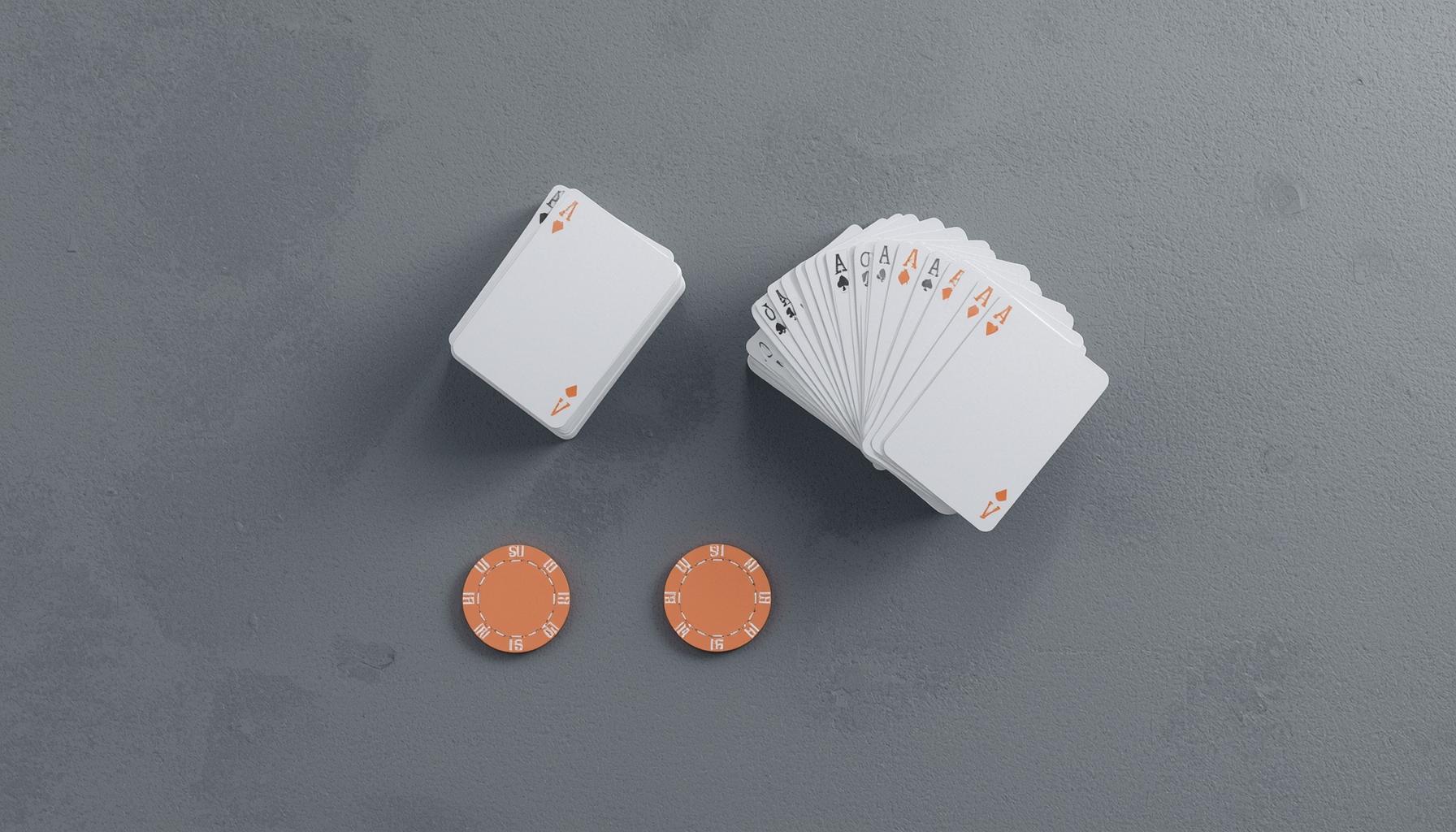
The first moment a player sits at a live dealer table, the presence of a real person on screen changes the atmosphere completely. This direct interaction with the dealer brings a sense of trust and unpredictability missing from games run by software. The steps below show how these experiences unfold:
- A camera streams the dealer's actions from a studio straight to the screen, capturing every card shuffle and spin of the wheel.
- Players place bets using digital chips while watching the dealer draw cards or spin the roulette wheel in real time.
- Chat functions allow players to ask questions or greet the dealer, making the session feel more social.
- Game rounds follow a fixed pace, set by the dealer, rather than pausing for player input as in software-run games.
This difference stands out most when players want the energy of a physical casino but cannot visit one. The fixed timing and visible human action give a layer of authenticity that automated games cannot match.
How Canadian Payment Methods Affect Play
Interac, credit cards, and e-wallets each change how quickly funds move in and out of live dealer casinos. Some methods speed up withdrawals but may block certain bonuses. Others offer extra privacy, though limits or fees can cut into winnings.
E-Wallets and Instant Banking
Instant banking sends funds to a casino account almost immediately. E wallet services offer similar speed, but some casinos exclude them from welcome offers.
E wallet transactions often come with lower fees than card payments. However, bonus eligibility can drop if deposits are made through this option.
Instant banking rarely faces bonus restrictions and supports larger deposit amounts. Withdrawals through banking are slower, usually taking one to three days.
Instant banking gives greater bonus access but may delay withdrawals compared to an e wallet. Some casinos update their terms without notice, so eligibility for promotions can change suddenly.
Credit Cards and Interac
Most Canadian live dealer casinos accept both credit cards and Interac for deposits, but their rules and timelines differ. Limits, eligibility, and processing delays can depend on the exact card network or bank.
- Credit cards offer broad acceptance at most major gambling sites
- Interac deposits gain approval from almost every Canadian bank
- Disputed card charges sometimes qualify for a chargeback investigation
- Interac e-Transfers rarely trigger gambling blocks from card issuers
- Credit cards often cannot process withdrawals, forcing a different method for payouts
- Some banks block gambling transactions on credit networks outright
- Interac withdrawals can take one or two business days to appear in a bank account
- Credit card cash advances may incur immediate interest charges
Assuming deposits and withdrawals work the same way leads to confusion and delays. A casino that accepts a method for deposits may still require a separate solution for cashing out.
Choice of payment method can shorten wait times and influence bonus eligibility. Comparing transaction speed, fees, and privacy helps avoid delays and missed offers.
Who Should Avoid Live Dealer Casinos
A player with a weak broadband connection faces lag and video freezing during real time play. Those who prefer low stakes may find minimum bets too expensive compared to regular online tables.
| Player Type | Problem Encountered | Why Live Dealer Fails | Alternative |
|---|---|---|---|
| Spotty WiFi user | Frequent disconnects | Stream cuts out and wagers are lost | Automated table games |
| Budget under $10 per session | Minimum bets too high | Cannot stretch funds across multiple hands | Digital blackjack or roulette |
| Uses old smartphone | Compatibility issues | Video lags or interface crashes | Standard app-based games |
| Needs privacy | Camera requirement uncomfortable | Live games show names to other players | Solo RNG games |
| Plays late at night | Dealer availability limited | No tables open after certain hours | Instant play games |
Overlooking device requirements leads to frustration and wasted deposits. A test run with demo versions reveals most technical issues before money is at stake.